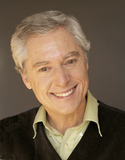
Dynamic lecturer, progressive scholar, and one of the most prolific writers and translators of Tibetan Buddhism in the West, B. Alan Wallace, Ph.D., continually seeks innovative ways to integrate Buddhist contemplative practices with Western science to advance the study of the mind.
Dr. Wallace, a scholar and practitioner of Buddhism since 1970, has taught Buddhist theory and meditation worldwide since 1976. Having devoted fourteen years to training as a Tibetan Buddhist monk, ordained by H. H. the Dalai Lama, he went on to earn an undergraduate degree in physics and the philosophy of science at Amherst College and a doctorate in religious studies at Stanford.
With his unique background, Alan brings deep experience and applied skills to the challenge of integrating traditional Indo-Tibetan Buddhism with the modern world.
In this lecture, Alan Wallace will discuss how Buddhism focuses on how we may achieve greater freedom in the choices we make, rather than struggling with the metaphysical issue of whether we already have free will. The Buddha began by first identifying the ways in which we are clearly not free, then showed ways in which we may achieve greater freedom in the present moment, as well as reshape the influence of the past upon our present experience and direct the flow of our lives into the future. Central to the question of free will is the nature of human identity, and it is in this regard that the Buddhist view of emptiness and interdependence is truly revolutionary.