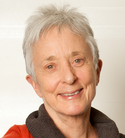
The Dharma is a refuge and a gift, available to anyone who values and nourishes it through practice. After working with mindfulness and loving-kindness for nearly 25 years, I have found these practices to be good friends who follow me everywhere, present through all the ups and downs of my life.
On retreat, we have the opportunity to deeply experience the value of simplicity, of being, stillness, and solitude. These are doorways that open into a deeper understanding of Emptiness, through which we see more clearly how our lives and the life of this planet are inextricably interwoven, and that how we live and what we do really matters.
Upon entering a new century together, can we learn to meet life with compassion rather than judgment? With generosity rather than greed? With humility instead of arrogance? With the intention to include rather than exclude? And with a genuine openness to what we do not know, and therefore might fear? I believe these are urgent questions for the global situation, and rich questions for Dharma inquiry.
For several years, I have been teaching classes in meditation and the creative process. I see the creative process (in whatever medium) as a living engagement with the understanding of the Heart Sutra that "form is no other than emptiness, emptiness no other than form." For those who practice Dharma, engaging in a creative process is a bridge between the stillness of meditation and the activity of the world. It teaches us about non-doing and non-clinging in action.
What kind of effort is needed in our mindfulness practice? What is our effort for? What the Buddha taught about effort and how we can apply it in our lives.
The vipassana retreat form encourages a particular way of learning about ourselves. How can we best use the conditions of this retreat form - silence, solitude, and simplicity - as vehicles for awakening.
As mindfulness deepens, we can uncover the 4 root causes of getting lost in our thinking, as well as remembering the aliveness of being when we step aside from thinking.